Earth’s crust is the outer layer of earth, also known as the ice cap. It is called the ice cap because it has ice below it to keep cool. The crust holds the trees, the water, and the rest of the life on earth. If earth’s crust was not here we would be walking on the ridged mantle. The ridged mantle is the second layer of the earth. It is closer to the core making it much warmer. It would be a lot harder to build buildings and grow plants and there would be a lot more fires. The third layer of earth is called the stiffer mantle. It is right next to the core and would be impossible to live there because it is so hot. The core is the very center of the earth. It is the hottest part of earth, because it is made of magma. In total, there are five layers which make up the earth. The area I live in Colorado sits on 45 kilometers, or 27.961703651 miles, of the earth’s crust.
Gneiss
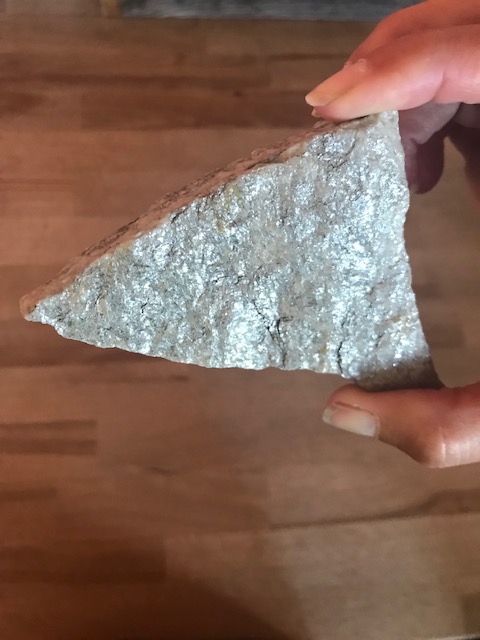
My rock is Gneiss. It is a metamorphic rock that I found in my backyard. Gneiss is formed by another metamorphic rock called Schist. Schist is formed from fine grained sedimentary rock. Gneiss can also be formed by Igneous rock . Gneiss is a very light colored rock. We have a lot of Gneiss in our front and back gardens. It is also one of my favorite rocks because it is light colored and it is covered in crystals. Gneiss is a very unique type of rock with crystals and layers. I have a rock collection, but it has dark Gneiss. Gneiss is also great for architecture like the Washington Monument, and the Konark Sun Temple in India. These both have Gneiss in them. There are many types of Gneiss, including Augen Gneiss, Henderson Gneiss, Lewisian Gneiss, Archean and Proterozoic Gneiss. Gneiss is also one of the oldest rocks in history. If you ever touch Gneiss it feels rough and bumpy.
https://rocks.comparenature.com/en/gneiss-uses/model-12-7
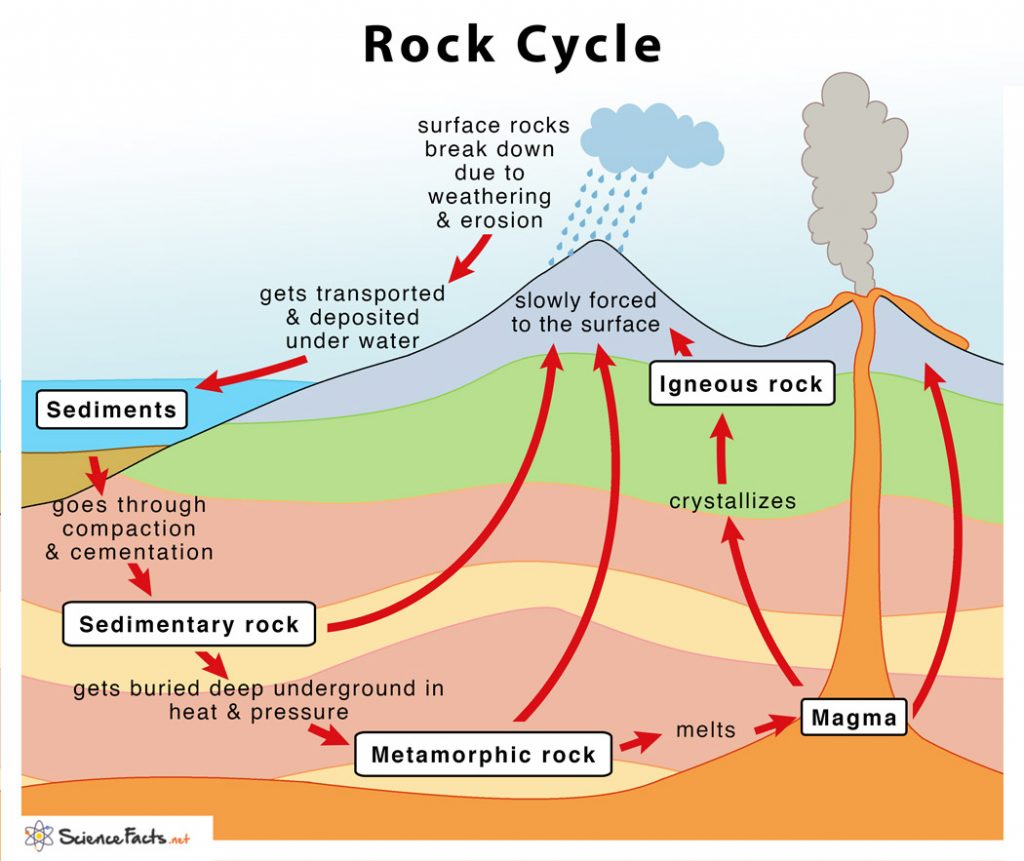
Rock Cycle
Sawyer W. Science 6
Rocks are formed by weather breaking pieces of sediment off mountains and falling down into a river bed. The river deposits it on shore and it gets compressed into sedimentary rock. It gets heated up by magma, and melts into metamorphic rock. Then the magma crystalizes, and turns into igneous rock. Finally, the rock is carried back to the surface and the process starts all over again.
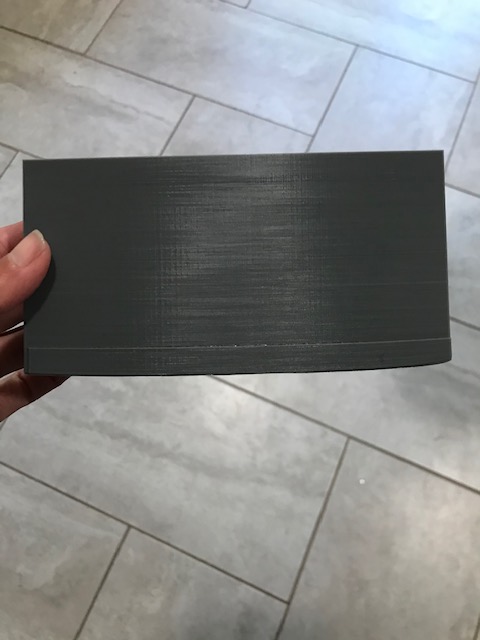
Vacuum piece
For this science project, I was supposed to print a piece to solve a problem. I printed a vacuum piece, because the piece that attached the hose to the vacuum broke. I designed the piece on Tinkercad and printed it on my Ender 3Pro. I had three failed prints before I figured something else out to fix the piece. To fix the piece a different way I cut the top off one of the failed prints and trimmed it to fit the piece that broke. Then I glued it to the broken piece and put it on the vacuum. I faced many problems and I nearly quit trying to fix it, but it finally works.
This is the end of my fourth grade science!
Phone Charging Station
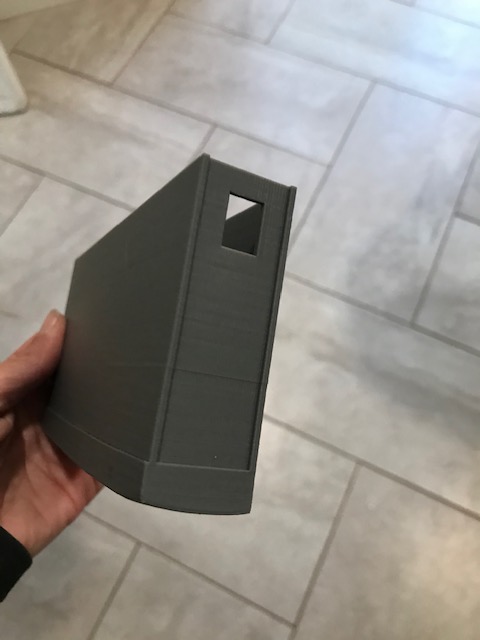
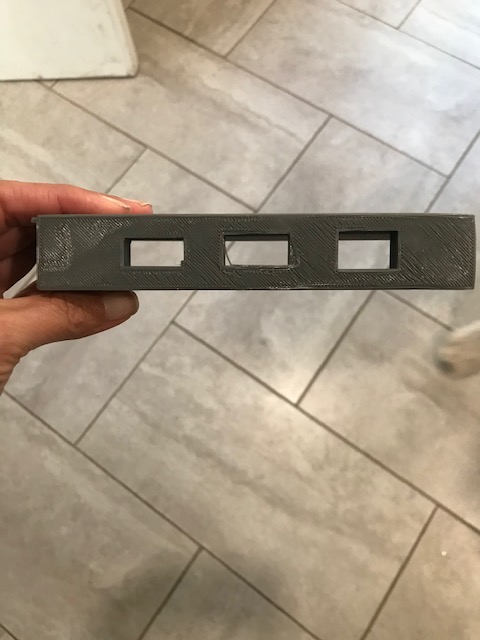
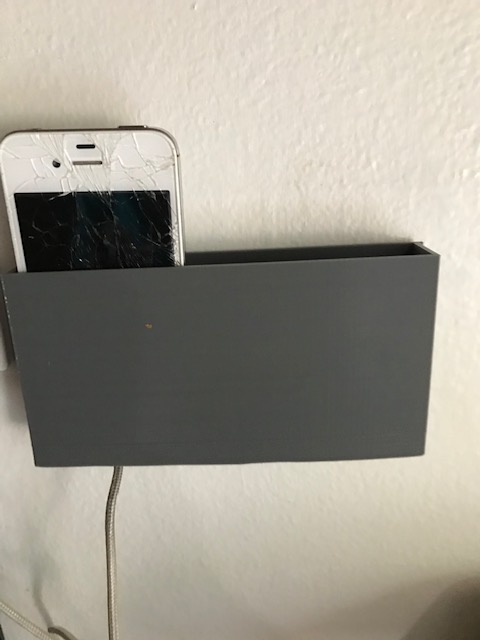
For my final science project, I decided to print a phone charging station. I decided to print a phone charging station because we didn’t have a lot of room on the counter to charge them. I designed it on Tinkercad and printed it on my Ender 3 Pro. I encountered many problems, including 16 failed prints due to a bed that was not level and a piece that kept popping out of my printer. I completed my project by leveling the bed and gluing in the piece that kept popping out. I put two holes for the chargers to go through then I used Velcro to attach it to the wall. I tested it and it charges two phones at once. When solving a problem, I need to work on not procrastinating and getting overwhelmed.
Citizen Science Project
The kelp forest is a very beautiful underwater forest found in the Pacific Ocean. There is thick kelp all over like trees, and a lot of cool animals such as little stingrays. Scientists are studying these forests to figure out what creatures live there. They also are trying to learn about the environment in the kelp forests. Every time you do this project you help the scientists learn more about the kelp forests.
What I liked in English this year
In English this year, I learned a lot about grammar, proper punctuation, and how to write a paragraph. I enjoyed writing about My Room, If I Could Time Travel, and If a Lion Walked into my House. I liked writing the essays the most because I can relax while writing them. English this year was helpful in a lot of ways.
Citizen Science essay
The citizen science project helps scientists learn more about where animals live and what they eat. Each time you do a citizen science project it helps scientists learn about animals. Scientists are trying to learn more about animals because it helps them help the animals.
How did the citizens science project help scientists
The citizens science project helps scientists learn more about animals and where they live. When they receive your information it lets them know where to put wildlife cameras to catch more animals. They send you back the pictures from the new cameras and you identify those pictures, while they identify pictures from other cameras. From this project they are trying to learn more about where animals live and what they do.
Duck Tales
Saving a friend
One day three ducks were sitting by a tree in the rain eating. After they were done eating, they took a walk in the forest. While they were walking, they noticed the forest was quieter than usual. Then, they heard a stick snap! They started to run back to their duck house. But as they were running, one of their friends disappeared! The others went looking for their friend. They went back where they last saw her. The friends found feathers in the fence! They followed the feathers for a half hour, then, they finally found their friend ready to be roasted in a fox’s den. They untied her and set a trap for the fox. When the fox stepped in, it would pull him over the fire and drop him in a pot! Then they went home and had a party to celebrate the saving of a friend.
To be continued…
 Sawyer's school essays